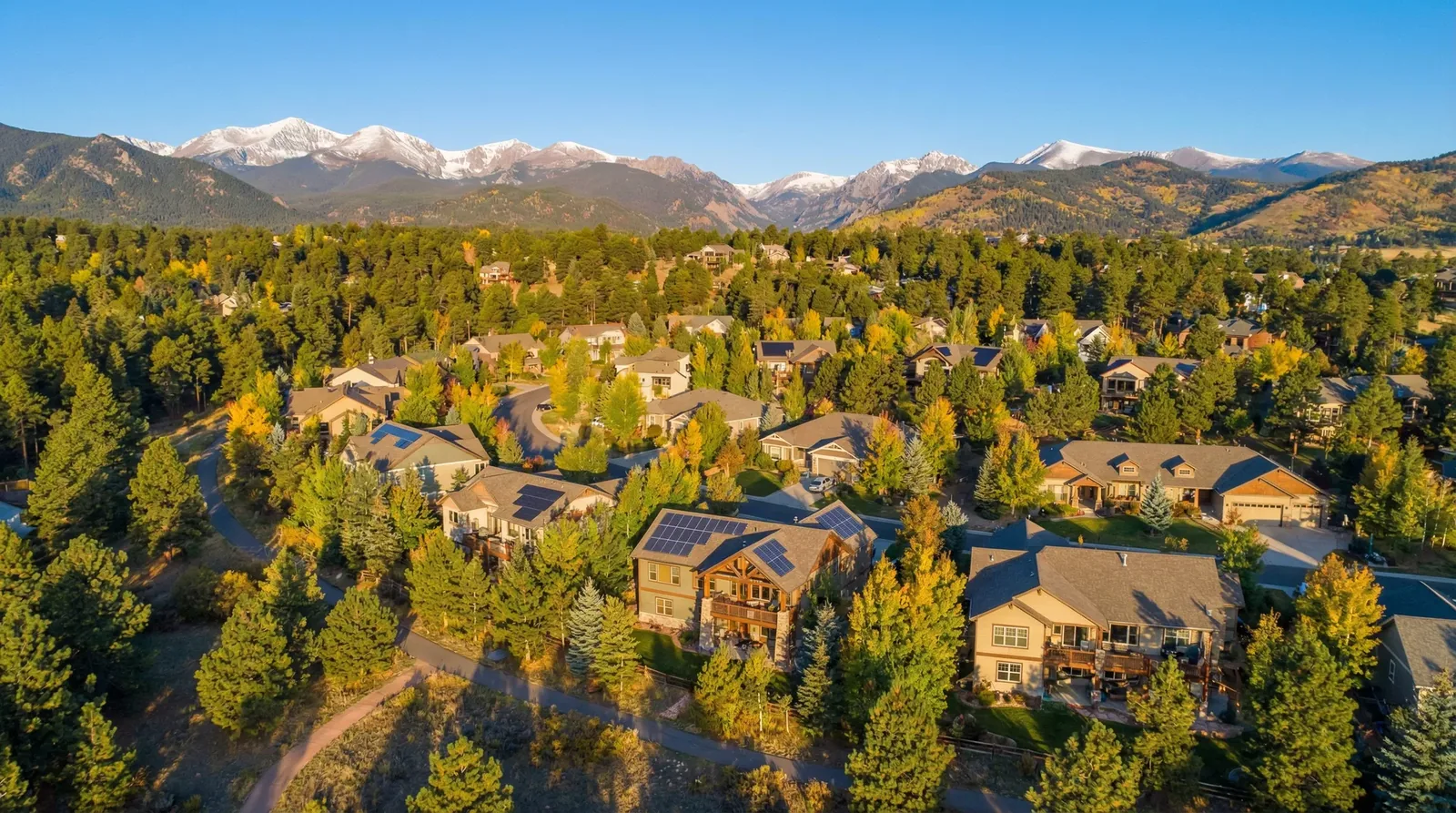
Solar Panels in Colorado
300+ Sunny Days a Year -- Solar is a No-Brainer
$1,200/yr
Avg. Annual Savings
5.5 peak hrs/day
Peak Sun Hours
10–14 years
Payback Period
$13,000–$21,000
Avg. System Cost
Overview
Is Solar Worth It in Colorado?
With more than 300 days of sunshine a year, Colorado also offers homeowners a prime way to go solar. Colorado's high altitude means more intense sunlight than many other states, and the combination of Xcel Energy rebates, net metering, and state and local incentives make solar a compelling investment for Front Range homeowners.
Colorado has been a leader in renewable energy policy, and the state continues to expand its solar incentive programs.
Benefits
Why Go Solar in Colorado
Reduce Your Electric Bill
Colorado homeowners save an average of $1,200/yr after going solar.
State & Local Incentives
Colorado offers property tax exemptions, net metering credits, and other state-level incentives that reduce your net cost. The federal 30% ITC expired Dec 31, 2025.
Increase Home Value
Solar panels increase your home's resale value — and are excluded from property tax in most states.
Energy Independence
Lock in your electricity rate and protect against rising utility costs for 25+ years.
Available Incentives
Colorado Solar Incentives & Tax Credits
Xcel Energy Solar*Rewards
State ProgramXcel Energy customers can earn ongoing payments for excess solar energy through the Solar*Rewards program, providing income in addition to bill savings.
Net Metering
Net MeteringColorado law requires utilities to offer net metering. Excess solar energy is credited at the retail rate.
Property Tax Exemption
Tax ExemptionColorado exempts the added value of residential solar installations from property tax assessments.
Federal Solar Tax Credit (Expired)
Tax CreditThe federal 30% residential solar tax credit (Section 25D) expired December 31, 2025 and is no longer available for new purchases in 2026. Colorado homeowners should focus on Xcel Energy's Solar*Rewards program, the state's property and sales tax exemptions, and net metering.
What Changed in 2026 for Colorado Solar
The federal solar tax credit expired December 31, 2025 — here's what that means for Colorado homeowners and what options remain.
The 30% Federal Tax Credit Has Expired
The federal Residential Clean Energy Credit (Section 25D) expired December 31, 2025. Colorado homeowners purchasing solar in 2026 will not receive the 30% federal credit. A typical 8kW system that previously cost ~$11,900 after the ITC now costs $17,000–$21,000 before Colorado-specific incentives. Colorado's higher-than-average system costs (due to labor and permitting in mountain communities) make this expiration particularly significant.
Lease and PPA Customers Are the Exception
Solar leases and Power Purchase Agreements (PPAs) remain a strong option in 2026. The installer owns the system and can claim commercial federal credits, passing savings through in the monthly rate. Colorado has a well-developed solar financing market, and several installers offer lease/PPA products specifically designed for the post-ITC environment.
What Still Drives the Math in Colorado
Colorado's Xcel Energy Solar*Rewards program continues to offer production-based incentives for Xcel customers, and the state's net metering rules remain favorable. Colorado also has strong property and sales tax exemptions for solar equipment. With Xcel rates rising and the state's 300+ days of sunshine, the economics still support solar -- payback periods for 2026 purchases are typically 10–14 years, up from 7–10 years when the ITC was in effect.
Utility Programs
Solar Incentives by Utility in Colorado
Your utility determines which programs you qualify for. Find your provider below to see net metering rates, rebates, and production incentives available in your area.
Xcel Energy
Service territory: Denver, Boulder, Fort Collins, Colorado Springs, Pueblo, and most of the Front Range
Net Metering
Retail rate (~$0.13–$0.15/kWh)
Avg Bill Offset
80–100%
Xcel Energy's Solar*Rewards program pays residential customers a per-kilowatt-hour rate for every kWh their solar system produces — not just excess energy sent to the grid. Payments are made monthly for up to 20 years and are in addition to net metering bill credits. The incentive rate varies by program tier (Standard, Medium, Large) and is set at enrollment; current rates for new enrollees are approximately $0.01–$0.04/kWh depending on system size. Xcel customers in the Front Range should apply for Solar*Rewards before installation — there is a waitlist and capacity is limited each year.
Black Hills Energy
Service territory: Pueblo, Canon City, and southern Colorado
Net Metering
Retail rate (~$0.12–$0.14/kWh)
Avg Bill Offset
75–95%
Black Hills Energy offers net metering to residential solar customers in its Colorado service territory. Excess energy is credited at the retail rate and applied to future bills. Black Hills also offers a Renewable Energy Rider program for qualifying systems — contact Black Hills directly for current incentive availability and enrollment requirements. Homeowners in Pueblo and southern Colorado should confirm their utility before applying for incentives.
Colorado Springs Utilities (CSU)
Service territory: Colorado Springs and El Paso County
Net Metering
Retail rate (~$0.11–$0.13/kWh)
Avg Bill Offset
75–95%
Colorado Springs Utilities offers net metering to residential solar customers. Excess generation is credited at the retail rate and rolls forward monthly. CSU does not currently offer a production-based incentive comparable to Xcel's Solar*Rewards, but the combination of net metering, the state property tax exemption, and Colorado's 300+ sunny days still makes solar financially viable in the Colorado Springs area.
Cost by City
Solar Panel Cost in Colorado Cities (2026)
Costs reflect typical 8–9kW residential systems after Colorado state incentives (no federal ITC — expired Dec 31, 2025). Click any city for a full cost breakdown.
| City | System Size | Gross Cost | After Incentives | Payback | Utility | Avg Bill |
|---|---|---|---|---|---|---|
| Denver | 8kW | $17,000–$21,000 | $15,500–$19,000 | 10–12 yrs | Xcel Energy | $130–$160 |
| Boulder | 7kW | $15,500–$19,000 | $14,000–$17,500 | 10–13 yrs | Xcel Energy | $110–$145 |
| Fort Collins | 8kW | $16,500–$20,500 | $15,000–$18,500 | 11–14 yrs | Xcel Energy | $115–$150 |
| Colorado Springs | 8kW | $15,000–$19,000 | $14,000–$17,500 | 11–14 yrs | CSU | $100–$130 |
| Pueblo | 7kW | $13,500–$17,000 | $12,500–$15,500 | 10–13 yrs | Black Hills Energy | $95–$125 |
* Costs are estimates based on local installer data and may vary. Federal ITC (30%) expired December 31, 2025.
Common Questions
Colorado Solar FAQ
Local Solar Companies
Solar Companies by City in Colorado
Find pre-vetted local solar installers in your city. Compare quotes and start saving.
Ready to go solar in Colorado?
Get matched with top-rated local installers — free quotes, no obligation.